

Why I Switched From Digital to Film Photography
For a long time, I shot digital, and it did everything a working photographer needs. It is fast, forgiving, and essentially unlimited. You can take a thousand frames in an afternoon without thinking twice, because storage is cheap and the shutter does not care how many times you press it. I am not saying any of that as a criticism. Digital is a genuinely good tool. It simply started costing me something I did not notice until I stopped relying on it as much.
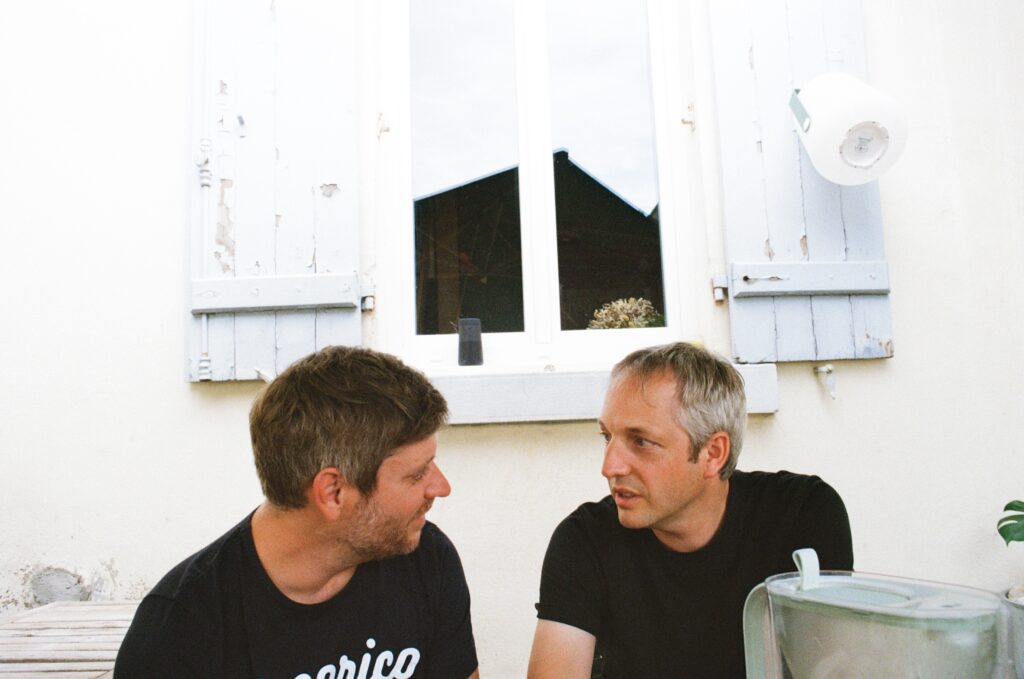
What digital was actually giving me
Mostly, it gave me a safety net. If I was not sure I had gotten the shot, I could take another one, and then another after that. A session that should have taken an hour of real attention started turning into an hour of me half-watching a family and half-managing a growing pile of images I would have to sort through later. The volume became its own kind of distraction. I was capturing more and actually seeing less.
There is also the screen. Every digital camera has one, and every digital photographer, myself included, develops the habit of glancing at it after a shot. You check the exposure, you check the framing, you check whether that was the moment or whether you need to wait for a better one. It is a small habit, but it pulls you out of the room for a second every time you do it. Multiply that by a hundred shots, and you have spent a real portion of the session looking at a screen instead of the family standing in front of you.

What changed when I picked up film
Let me start with the obvious part. A roll only holds a limited number of frames, usually around 36. That constraint sounds like a limitation, and technically it is, but in practice it did something I did not expect. It made me pay attention differently. I could not simply keep shooting until something worked. I had to actually watch for the moment before I raised the camera, which meant I was finally doing the thing I had been trying to do with digital all along, just without the tool that was quietly working against it.
There is also no screen to check. There is no glancing down between shots, and no half-second where my attention drops out of the room. I raise the camera, take the photograph, and then I am back to being present with the family, because nothing else pulls my attention away.
The families I work with noticed a difference too, even before I explained any of this to them. A camera with no screen, one that does not buzz or beep or light up after every shot, reads as far less intrusive. Kids in particular stop paying attention to it more quickly. It becomes a quiet object in the room instead of a small performance every time it gets raised.
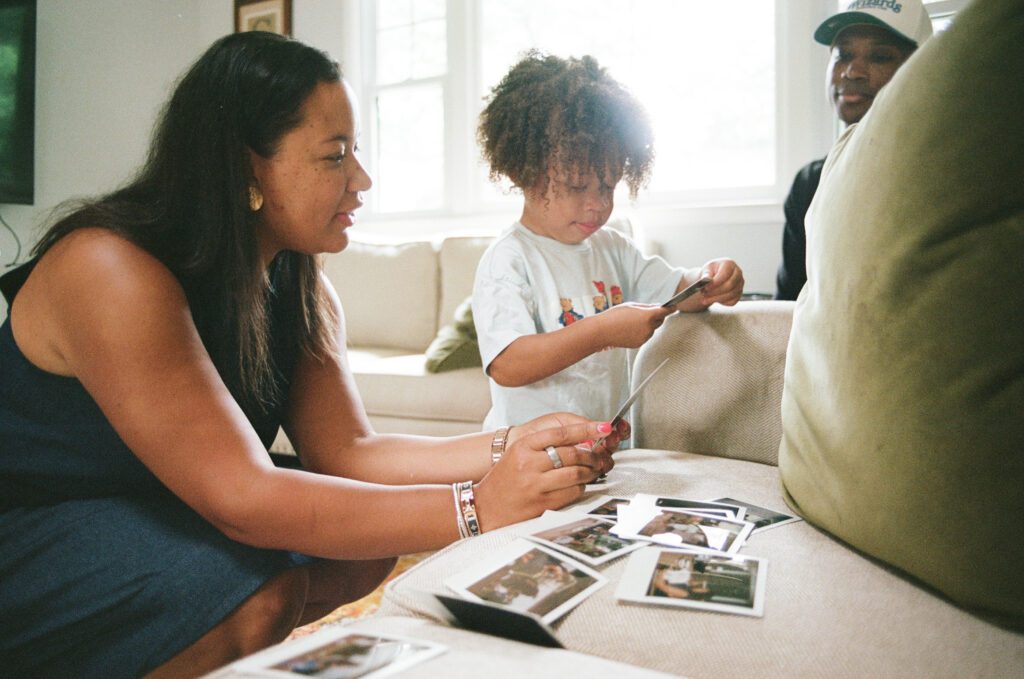
I want to be honest about the trade-offs
This is not a story where film fixed everything, and digital was secretly the problem all along. Film costs more per session than digital ever will. You wait weeks to see anything, rather than previewing it in real time. There is no reshoot button if something goes wrong with a roll, and early on, plenty went wrong while I was still learning. If I presented this as some kind of universal upgrade, I would be overselling it, and I would rather not do that.
What I can say honestly is that for the specific kind of work I do now, documentary family sessions built around presence and unscripted moments, film’s limitations turned out to be exactly the discipline that work needed. The constraint was not a flaw to work around. It was the thing that made me a better photographer in the room, not only at the editing desk afterward.
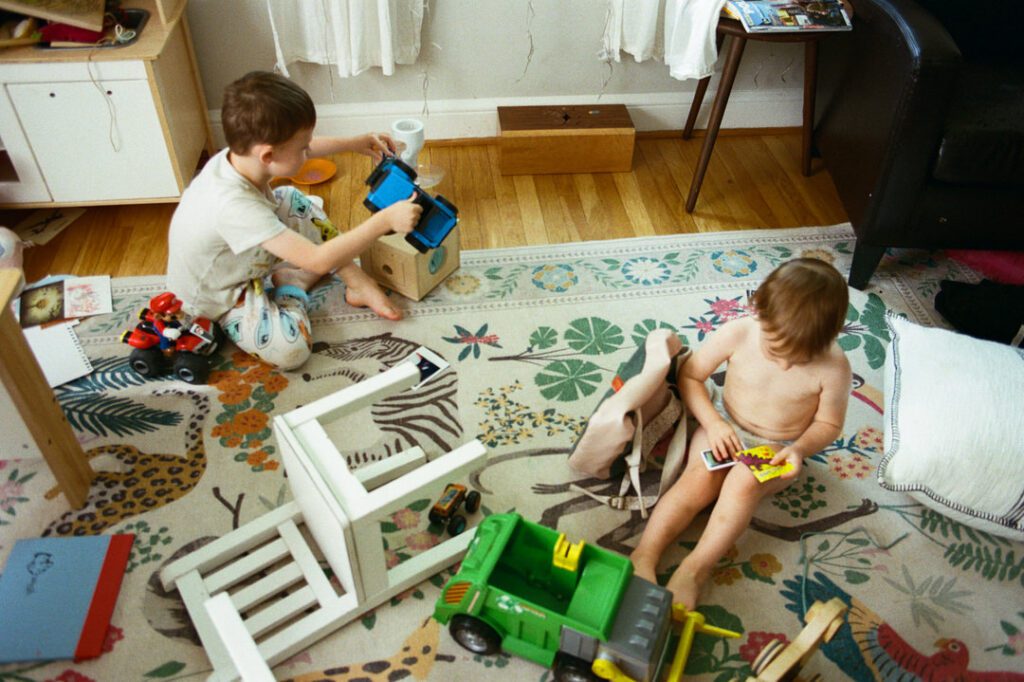
Where I landed
Film became the foundation of family film co because the medium and the method reinforce each other. A documentary approach requires you to actually watch for real moments instead of manufacturing them. Film, with its limited frames and its lack of a screen to hide behind, requires exactly that kind of attention. I did not switch mediums and then figure out what to do with it afterward. The switch itself is what made the rest of how I work possible.
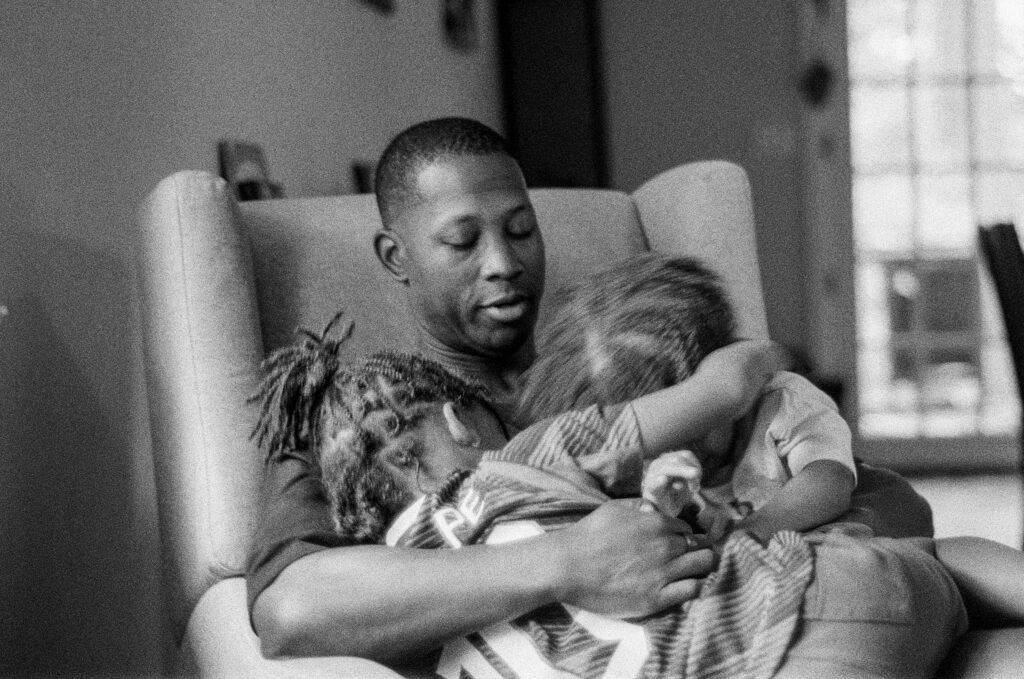
Curious what a film session actually looks like?
I would love to talk through what this could look like for your family. Get in touch
CATEGORY
9/14/2026


Comments Off on Why I Switched From Digital to Film Photography