

Where to Buy and Develop Super 8 Film
Super 8 is not hard to find once you know where to look. It is different enough from ordinary still film, though, that the usual places will not always carry it. Here is a real, verified starting point for buying cartridges and getting your film developed.
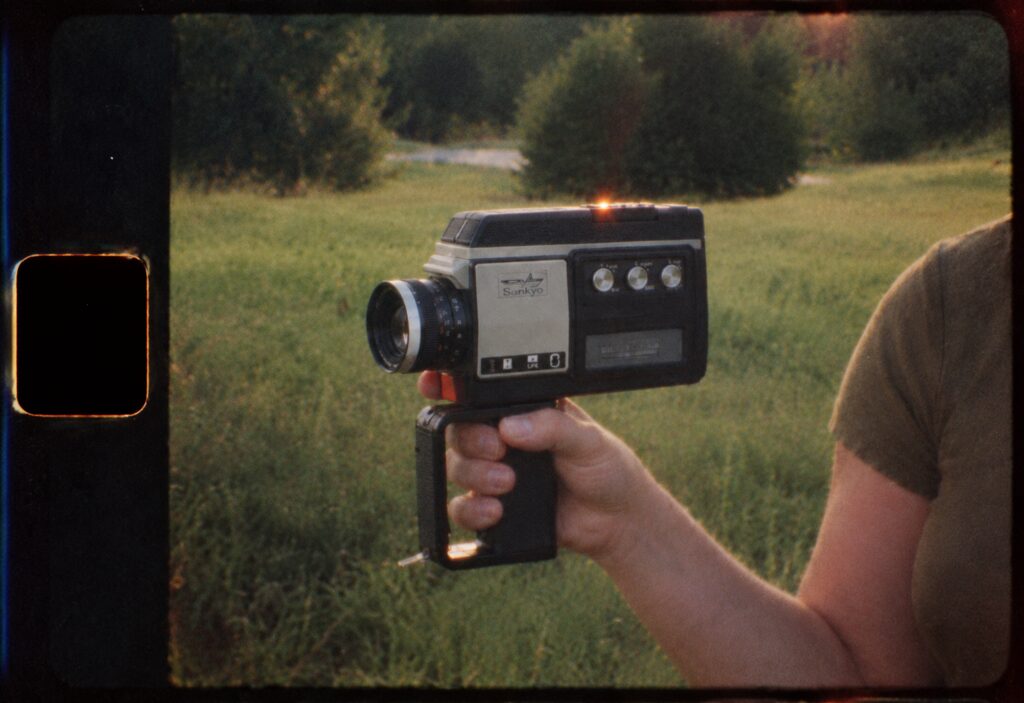
Where to buy Super 8 film
Kodak manufactures most Super 8 stock in circulation today. That includes the VISION3 50D, 200T, and 500T color negative films, plus TRI-X black and white reversal and EKTACHROME color reversal stock. You can order directly through Kodak’s site, or through their authorized retail partner, B&H Photo.
Pro8mm (Burbank, California) repackages fresh Kodak stock under their own label, alongside a few exclusive stocks of their own. They also sell bundled kits that include the cartridge, processing, and scanning together. That bundle is a genuinely easy starting point if you would rather not coordinate a lab separately.
B&H Photo carries Kodak’s Super 8 cartridges directly. Kodak names them as an official retail partner in the US, and you can buy through them either online or at their New York store.
Kodak Super 8 cartridges typically run somewhere between $47 and $62, depending on the stock. I checked those prices in 2026, so confirm current pricing before you order.
Where to get it developed
Pro8mm processes and scans Super 8 on premises in Burbank, handling Kodak, Fuji, Orwo, Adox, and Agfa stock.
Cinelab (New Bedford, Massachusetts) is one of the most established names in motion picture film processing in the US. They run Super 8 orders of any size, from a single cartridge to full productions. Pricing runs roughly $50 per cartridge for a 2K scan, up to $70 for 4K. Turnaround typically takes seven to fifteen business days.
Negativeland Film (Ridgewood, New York) offers Super 8 processing and scanning at roughly $55 per cartridge for 2K and $75 for 4K.
The Negative Space (Littleton, Colorado) processes Super 8 at around $50 per cartridge for 2K scanning. They also offer a 6.5K option for around $55.
Colorlab Corp (Rockville, Maryland) offers scanning up to 5K. If you are local to the DC area, this is worth knowing about specifically, since it is one of the closer full-service options for Super 8 processing in this region.
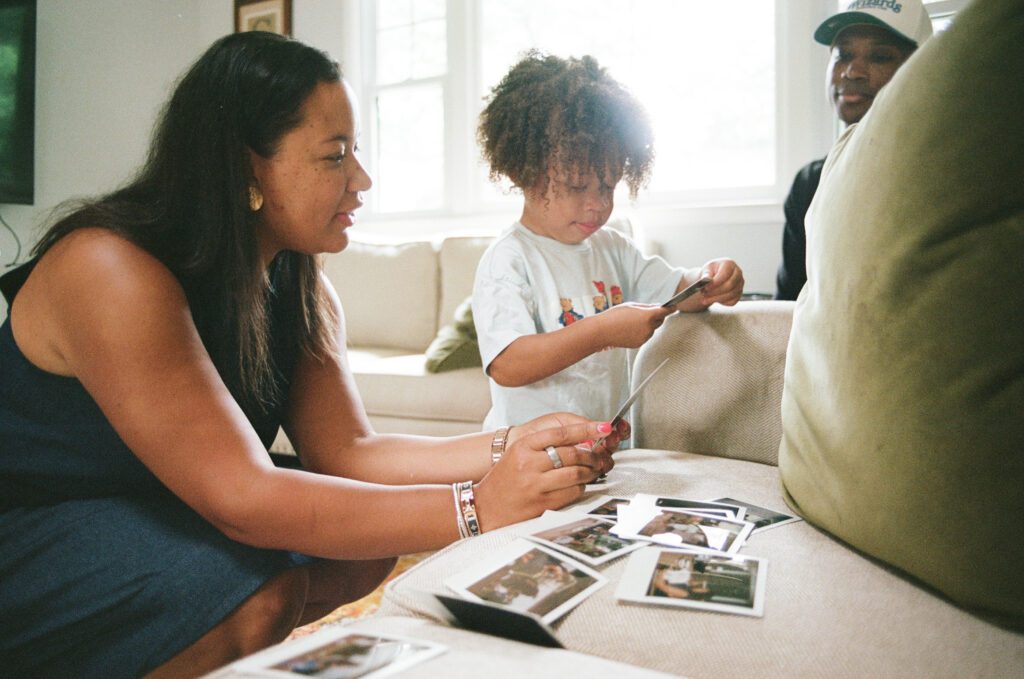
What if your film is old or expired?
Standard labs handle fresh, current Super 8 stock. Old or expired film needs a different kind of lab, one built specifically for rescuing whatever image might still be there.
Film Rescue International is probably the most established name for this. They process both old still film and small-gauge motion picture film. Results vary widely depending on the film’s age and how it was stored, so they are upfront about that risk.
Andrew’s Analog Service Center built their entire lab around film that other labs call unrecoverable. They handle a long list of old still formats, including 110, 126, 127, 135, 120, 220, APS, and disc film.
TMTV focuses specifically on old, expired small-gauge motion picture film, including regular 8, Super 8, and 16mm, in both silent and sound versions.
Dwayne’s Photo (Parsons, Kansas) holds a genuinely historic place in this space. They processed the last roll of Kodachrome ever developed, back in 2010, and they still handle old and discontinued still film formats today.
One thing to know before you send anything to any of these labs: no lab on earth can bring color back from true Kodachrome-type film anymore. It comes back black and white, or it does not come back at all. Some labs then offer digital colorizing as a separate step afterward.

A practical note before you shoot
Most current Super 8 stock, including all three Kodak VISION3 films, uses ECN-2 chemistry for processing. Any lab listed above that advertises Kodak processing will handle it correctly, but if you are ever considering a lab not on this list, it is worth confirming they specifically run ECN-2 rather than assuming any film lab can process Super 8 the same way they process still film.
Curious what Super 8 actually looks like in a family session?
I would be glad to show you some examples and talk through whether it is worth adding to yours. Get in touch
CATEGORY
9/17/2026


Comments Off on Where to Buy and Develop Super 8 Film