

Why I’ll Never Ask Your Kid to Smile
You know the moment. Someone raises a camera, and before anyone’s even in focus, out comes the reflex: “say cheese,” “big smile,” “okay, everybody smile.” And every kid in the frame does the same thing. Chin down, teeth out, eyes go a little flat. It’s not a smile. It’s a performance of a smile, and kids figure out the difference long before adults do.
I don’t ask for that. I never have, and I don’t plan to start.
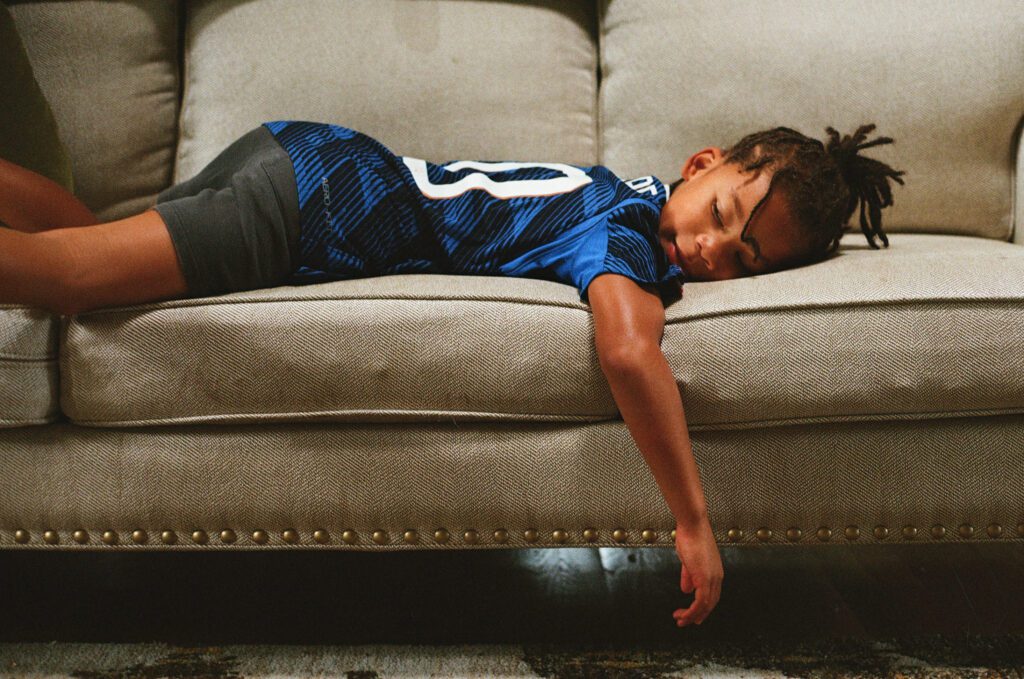
What a forced smile actually looks like in a photo
Here’s the thing nobody quite says out loud: a performed smile is almost always worse than whatever your kid’s actual face was doing thirty seconds earlier. The real one, mid-laugh, mid-argument with a sibling, mid-concentration over a bug they found on the sidewalk, has more life in it than a lineup of camera-ready teeth ever will. You can see it in old family photos, actually. The posed ones from every holiday season blur together. The one where someone’s kid is caught off guard, laughing at something out of frame, is the one that gets pulled out years later.
A camera pointed at a kid and the words “smile for me” almost guarantee you get the second kind of photo, not the first.
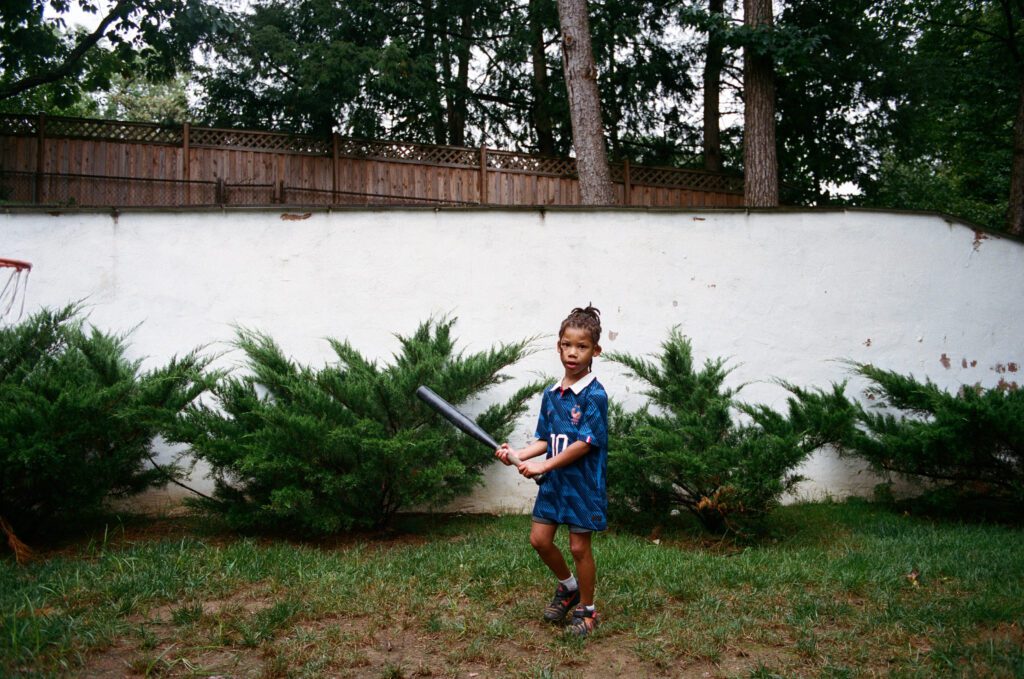
What you’re actually trying to keep
Nobody hires a family photographer because they want a technically correct photo of their child’s teeth. They want something that still feels true in ten years, in twenty, long after this exact age has passed and can’t be gotten back. That’s a much higher bar than “everyone’s smiling and no one’s blinking.” It’s closer to: does this look like who my kid actually was that year, not who they became for eight seconds because an adult asked them to.
That’s the whole case, really. A directed smile captures a kid performing for an adult. An undirected one captures a kid being a kid. Only one of those is worth keeping.
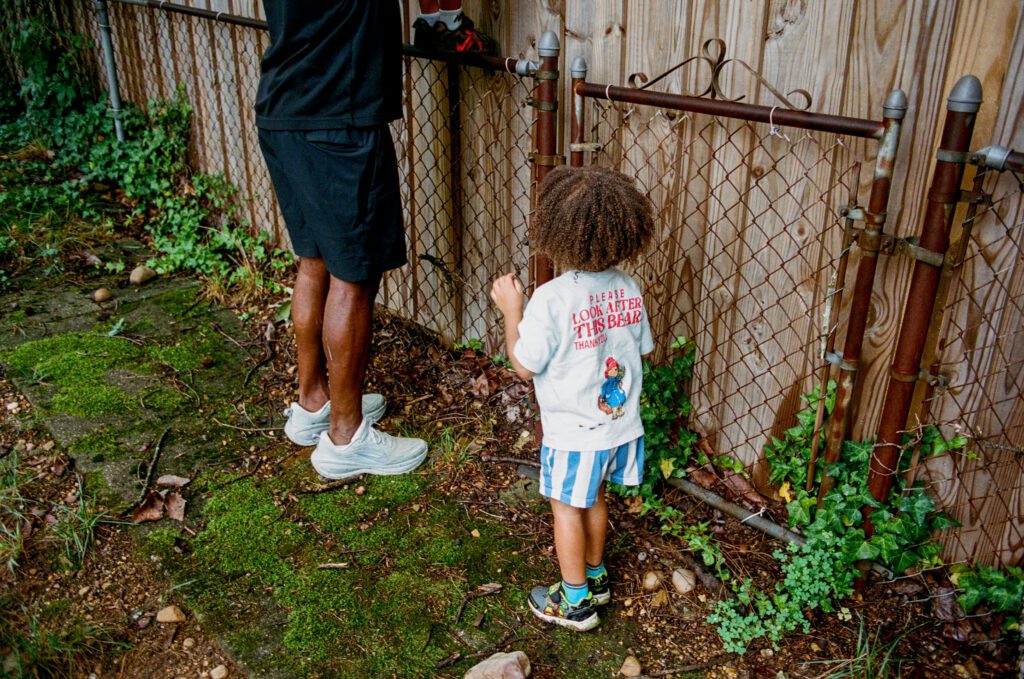
What I do instead
I don’t hand out poses or count down to a smile. I give kids room to actually exist for the length of a session, running, arguing, getting distracted, being weird, being bored, whatever’s true that day, and I stay ready for the moments that happen inside all of that. Sometimes that means a real laugh. Sometimes it means a kid mid-scowl because their sibling took something, and that photo ends up being everyone’s favorite a year later, because it’s so completely, recognizably them.
This is slower than directing a pose, and it asks more patience from parents too. I know handing over that control can feel uncomfortable, especially if your instinct is to jump in and manage the moment the second your kid starts acting like an actual kid instead of a cooperative subject. That instinct is normal. It’s also exactly the thing I’m asking you to resist for an hour.
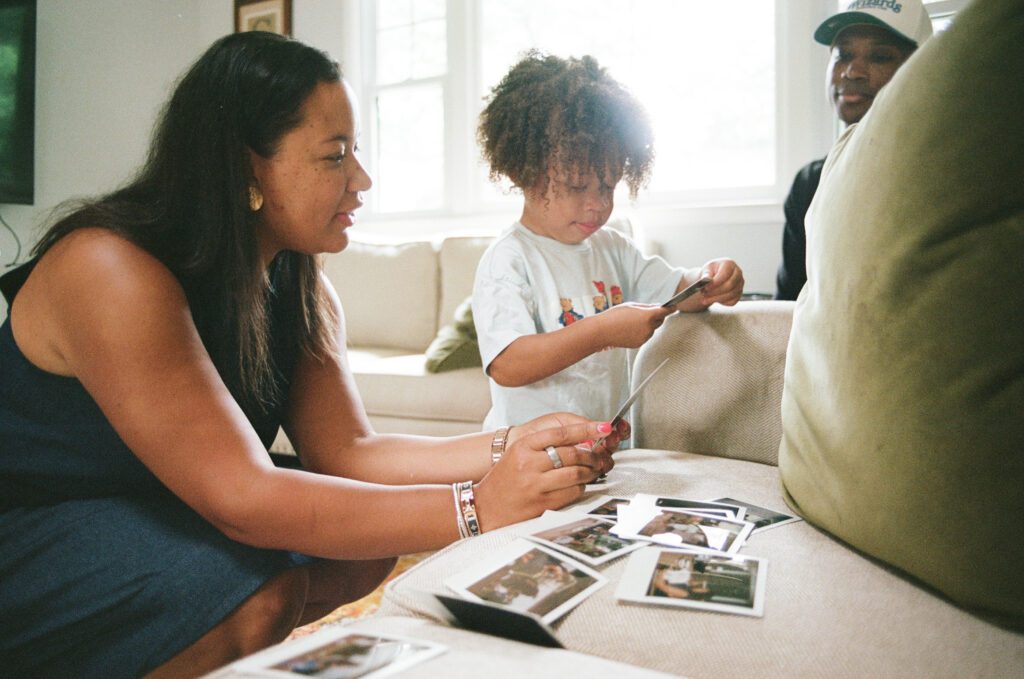
If your kid “isn’t a smiler”
I hear this a lot, usually said a little apologetically, like it’s a problem to solve before the session even starts. It isn’t. Some kids are naturally expressive and easy to catch mid-joy. Others are more serious, more watchful, more likely to show you what they’re feeling through their whole body instead of their face. Both are real. Neither needs fixing, and neither needs a “say cheese” to bring it out.
If anything, the kids who are hardest to get a directed smile out of are often the ones whose real expressions end up being the most striking in the final gallery. Nothing performed, nothing borrowed from an adult’s expectations. Just them.
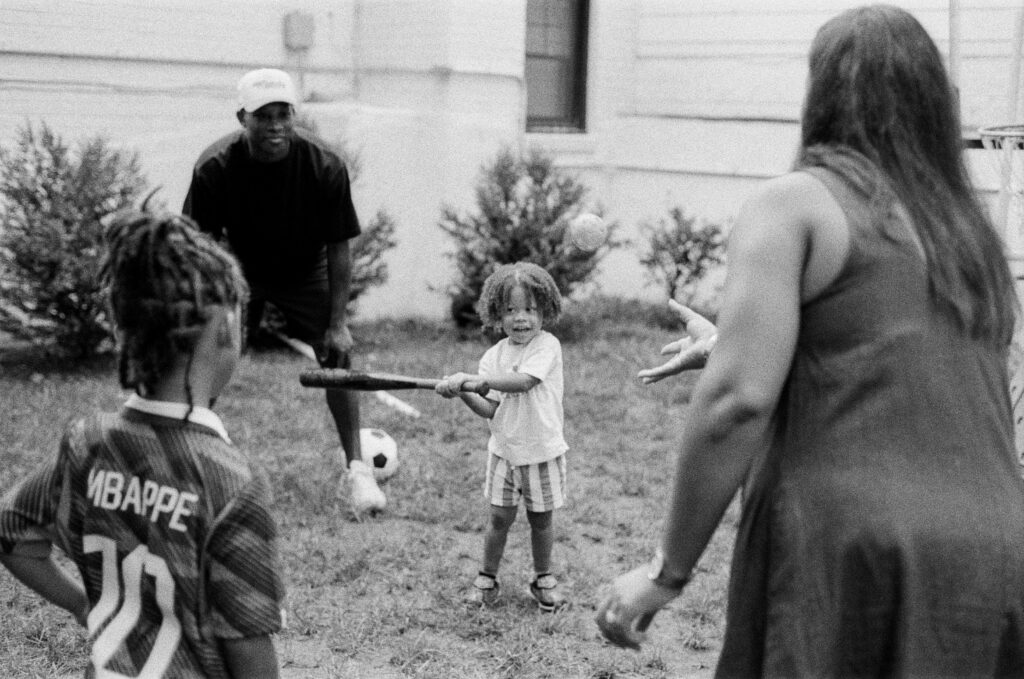
Curious what this looks like for your family?
If this way of working sounds like a fit, I’d love to talk through what a session with your family could look like.
CATEGORY
9/10/2026


Comments Off on Why I’ll Never Ask Your Kid to Smile